

Prison & Jail Programs
Supporting Incarcerated Parents and Strengthening Family Connections
Parents Helping Parents provides support groups and family-focused programs for incarcerated mothers and fathers. These programs give parents a safe, nonjudgmental place to speak honestly, learn from one another, and maintain or rebuild relationships with their children and caregivers.
PHP currently facilitates groups at four Massachusetts correctional facilities, serving nearly 200 incarcerated parents each year.
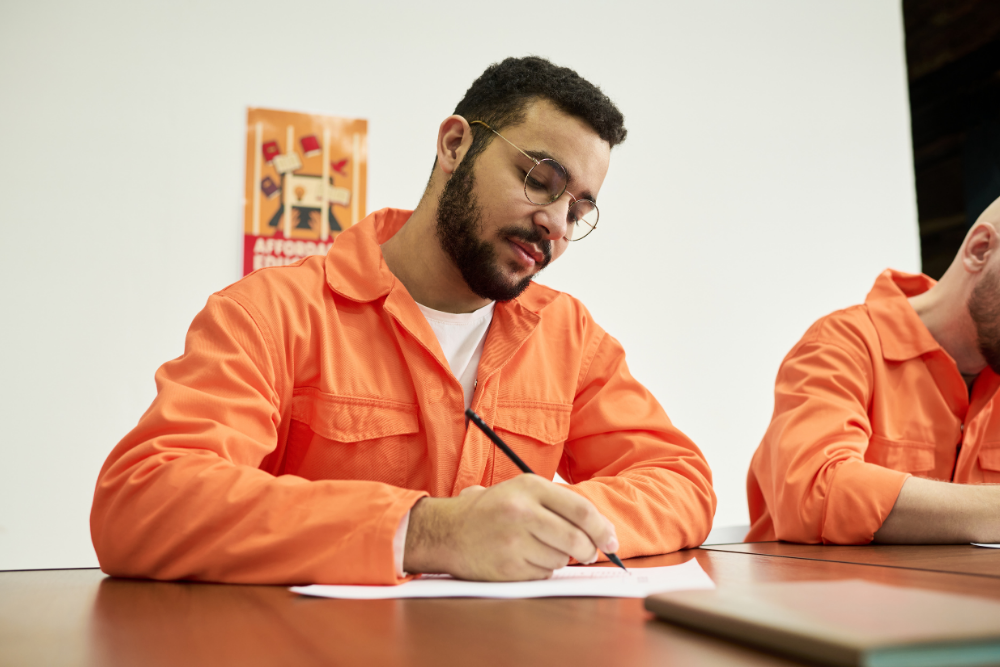
Supporting Parents Through Separation
Parents do not stop being parents when they are incarcerated. Many are coping with separation from their children, changes in caregiving relationships, family conflict, guilt, grief, and uncertainty about the future.
PHP creates consistent spaces where mothers and fathers can talk about these experiences without judgment. Group members support one another, share ideas, and consider meaningful ways to remain present in their children's lives while they are apart.
The focus remains on each participant's identity as a parent and the relationships they hope to maintain or rebuild.
“You saw me as a person before you saw me as an inmate.”
How Support Groups Work Inside Correctional Facilities
PHP uses a trauma-informed, mutual-aid model led by trained volunteer facilitators. Rather than presenting one set of answers, facilitators help participants draw on their experiences, strengths, and collective wisdom to support one another.
Each group is adapted to the needs and rules of its facility. Facilitators create a respectful environment centered on peer support, nonjudgmental conversation, and confidentiality to the extent permitted within a correctional setting.
Group conversations may include:
Staying emotionally connected with children during separation
Communicating with children's caregivers and co-parents
Navigating family conflict, estrangement, guilt, and grief
Understanding children's emotions and behavior
Preparing for visits, reunification, or reentry
Managing DCF involvement and foster care cases
Strengthening confidence and identity as a parent

Creating Calm at Suffolk County House of Correction
For five years, volunteer facilitator Lori Day used coloring, card-making, origami, and thoughtful conversation to help create a calm, supportive space for incarcerated mothers. Read about the creativity, resilience, and connection she witnessed within the group.
Where PHP Supports Incarcerated Parents
PHP currently facilitates support groups at four Massachusetts correctional facilities, serving nearly 200 incarcerated parents each year. Each program is adapted to the parents’ needs and the opportunities available within the facility.
-
PHP facilitates a weekly support group where incarcerated fathers can speak openly about parenting, family separation, co-parenting, guilt, grief, and their relationships with their children.
The program also creates opportunities for fathers and children to connect beyond the support group. During Family Day events, families can spend several hours watching a movie, making crafts, playing games, and creating positive memories together. Through Read to Me Father, fathers are recorded reading children’s books, allowing their children to hear their voices and share a story while they are apart.
-
DescripPHP offers daytime and evening support groups for incarcerated mothers at Suffolk. Group conversations address separation from children, relationships with caregivers, family conflict, mental health, DCF involvement, foster care, and the challenges of working toward family reunification while incarcerated.
Mothers may color, draw, or create cards for their children and loved ones while the group talks. These activities help create a calmer, more open environment and give participants another way to remain connected with their families.
PHP is also developing the daytime group as a dedicated source of support for mothers navigating DCF involvement and foster care. The You Are Not Alone guide for parents with children in foster care is available in print and on facility tablets, giving mothers practical information they can review independently and discuss during the groups.tion text goes here
-
PHP facilitates a support group for fathers in the Housing Unit for Military Veterans. The group gives incarcerated fathers a consistent place to talk about parenting, learn from one another, and consider ways to maintain and strengthen family relationships during separation.
-
PHP recently expanded its work at MCI-Plymouth by establishing two support groups for incarcerated fathers. These groups provide a nonjudgmental environment where participants can discuss parenting challenges, support one another, and stay connected to their identities as fathers.
Help Support Incarcerated Parents and Their Families
PHP’s prison and jail programs depend on dedicated volunteers and practical resources. Trained facilitators create consistent, nonjudgmental spaces where parents can find support, while donations help provide books, guides, journals, group materials, and family experiences that keep parents and children connected.
Help PHP sustain these programs and reach more incarcerated parents and their families.
“We offer a steady, kind, and supportive space for parents whose lives are often marked by insecurity and chaos. Even with limited resources, the creativity and resilience of the group members was incredible. Each week, I left with both heartbreak and hope—reminded just how essential a supportive community is, inside and outside of jail.”
–Lori, PHP Group Facilitator for Mothers in Prison