Volunteer with Parents Helping Parents
Parenting is hard. You can help create a space where no parent feels alone.
Why Volunteers Matter
At Parents Helping Parents, volunteers are at the heart of everything we do.
They create safe, non-judgmental spaces where parents can share openly, feel heard, and connect with others who understand. Whether answering a call or facilitating a weekly group, volunteers help parents move from isolation to connection.
This is not about having the right answers.
It’s about showing up, listening, and holding space.

Volunteer Roles
Most of our volunteers support parents in one of three core ways:
-
Provide empathetic, confidential support to parents through our 24/7 Parent Stress Line. Volunteers listen, validate, and help parents feel less alone in difficult moments.
-
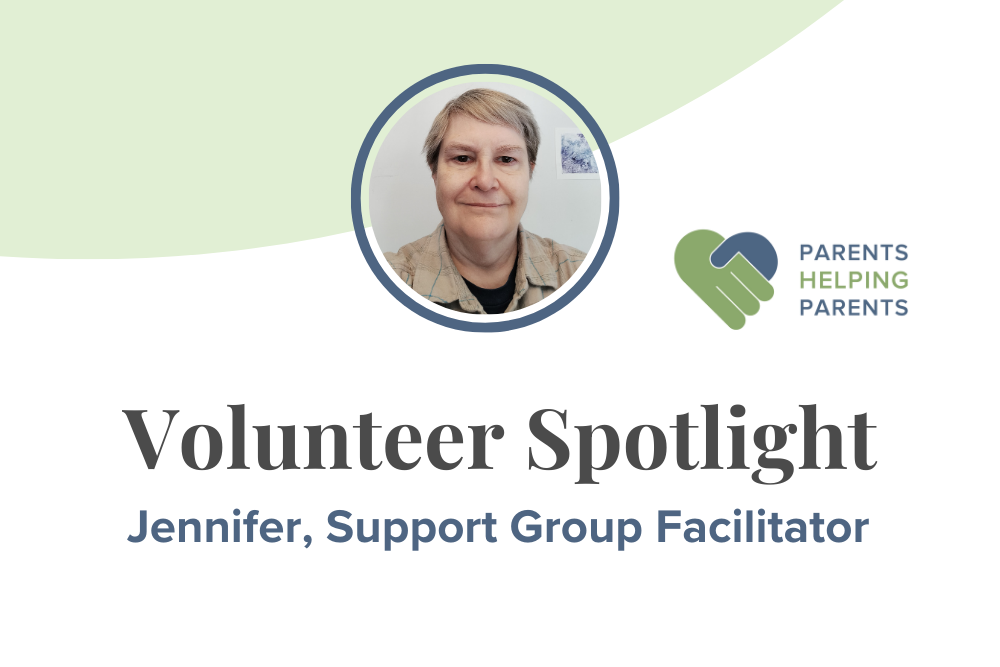
Facilitate peer-led support groups where parents can connect, share openly, and learn from one another in a safe, non-judgmental space.
-
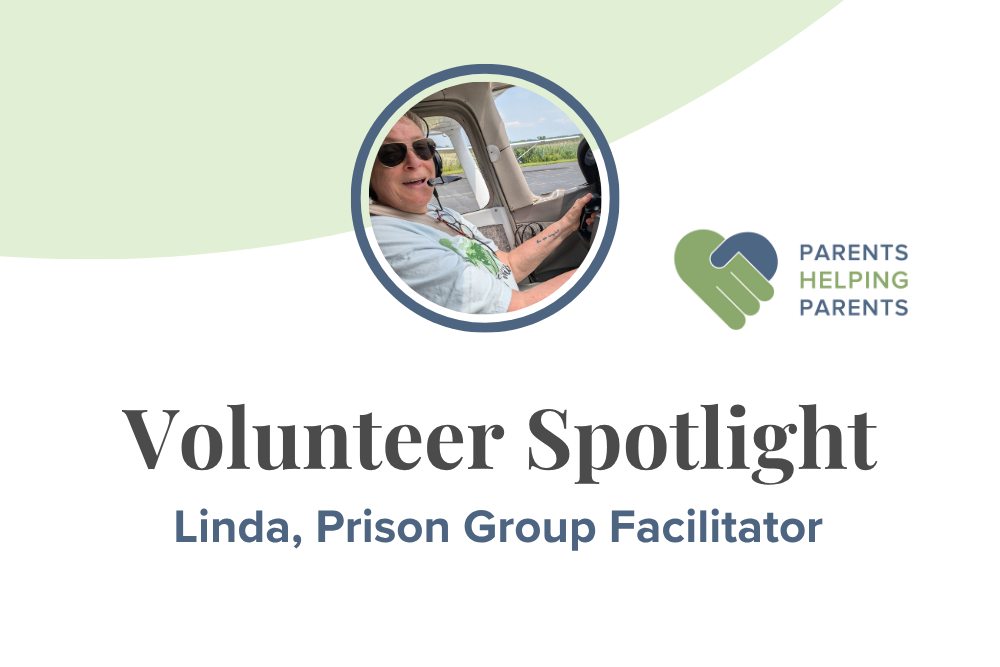
Facilitate parent support groups within correctional facilities, helping parents stay connected to their children and feel supported during a challenging time. This role requires being Massachusetts-based and able to travel to designated facilities in the Greater Boston area.
If you have skills or experience that may support our work beyond these roles, we welcome you to reach out. While most volunteers serve in these core positions, there may be opportunities to contribute in other ways based on your skills and background.
Priority Volunteer Needs
In addition to our regular training cycle, we occasionally have immediate or specialized volunteer needs. The roles below are currently prioritized and may be filled outside of our typical onboarding timeline:
Volunteer Stories
Frequently Asked Questions
-
No. While many of our volunteers are parents, what matters most is your ability to listen with empathy and without judgment. We welcome individuals from a range of backgrounds who feel called to support others.
-
Most roles require a consistent weekly commitment, along with initial training. Volunteers are asked to commit for a minimum of 6 months after completing training, and many choose to stay involved for much longer—some for years.
For the Parent Stress Line, this typically means one 3-hour shift per week. For support group facilitators, this means facilitating one group per week (approximately 1 hour), along with minimal additional time for coordination and check-ins with a co-facilitator.
All volunteers are required to complete virtual training, including an initial orientation.
-
Not immediately. We onboard volunteers in scheduled training cycles throughout the year. After applying, selected applicants are contacted when we begin the next round of interviews, and volunteers begin once they complete training.
-
We review applications in advance of upcoming training cycles and will reach out to selected applicants when interviews are scheduled.
-
Strong volunteers are compassionate, non-judgmental, and reliable. They are comfortable listening more than talking, without giving advice, and approach conversations with a strength-based, parent empowerment mindset. Volunteers should have basic comfort using technology (such as a smartphone or computer), and we will support you in learning any systems used. Openness to learning, feedback, and ongoing support is important.
-
This role is best suited for individuals seeking a longer-term commitment. Volunteers are required to commit for a minimum of 6 months after completing training. Many volunteers choose to stay involved well beyond that, with some continuing for several years.
-
Training is conducted virtually and includes approximately 6 hours of live instruction, along with additional preparation such as reading and listening to materials. Sessions are interactive and require attendance at scheduled times (not self-paced).
Training takes place during regular weekday hours (Monday–Friday, between 10 AM–4 PM EST). Even if you plan to volunteer during evenings or weekends, you will need to be available to attend these scheduled training sessions.
The training introduces the Parents Helping Parents peer-to-peer, trauma-informed model and prepares you to support parents, with a focus on active listening, confidentiality, and (for facilitators) group facilitation skills. A portion of the training is tailored to your specific volunteer role, whether on the Parent Stress Line or as a support group facilitator.
Ongoing support and supervision are provided after training and throughout your time volunteering, so you always have guidance and resources.
-
All volunteers must pass a CORI check. Some roles (such as prison groups) require being Massachusetts-based and able to travel. Volunteers must also be able to attend scheduled training sessions.
-
We’re grateful for your interest in volunteering with Parents Helping Parents. At this time, we are only able to accept volunteers who reside in the United States and are not able to accommodate international applicants.
Ready to Get Started?
We are currently accepting applications for our next training cycle.
Interviews: August–September
Training: Late September / Early October *Placement begins after training is completed
Volunteering with Parents Helping Parents may be a good fit if you:
Can commit to a consistent weekly schedule
Are comfortable supporting parents through difficult and emotional experiences
Value listening over fixing
Approach conversations with empathy and without judgment
Are comfortable using basic technology (such as a smartphone) and have access to reliable internet
Are open to training, feedback, and ongoing support
This may not be the right fit if you are:
Looking for a short-term or one-time opportunity
Hoping to begin volunteering immediately
Seeking a clinical or advice-giving role
If this timing and commitment feel right for you, we would love to hear from you.